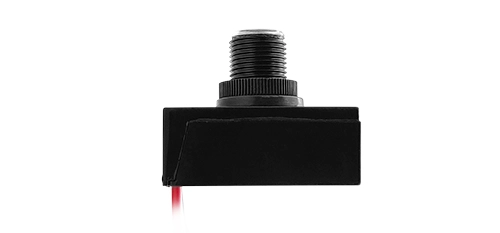
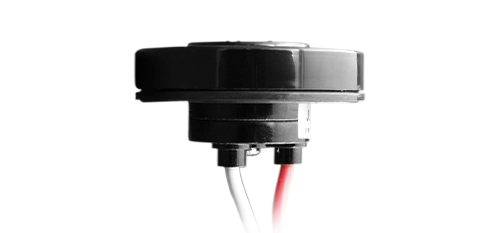
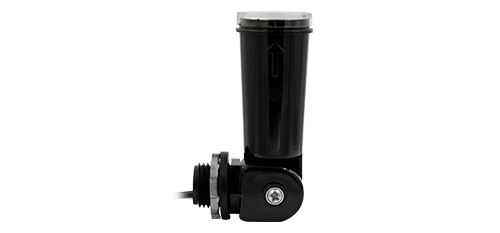
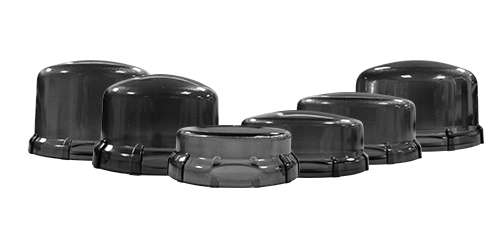
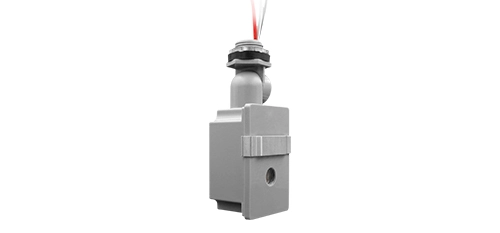
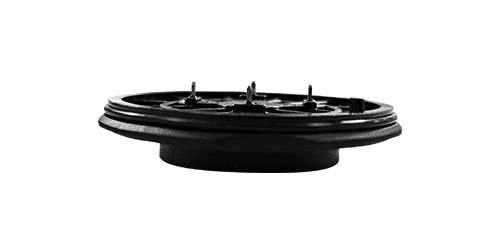
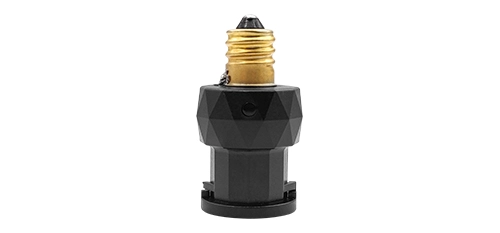
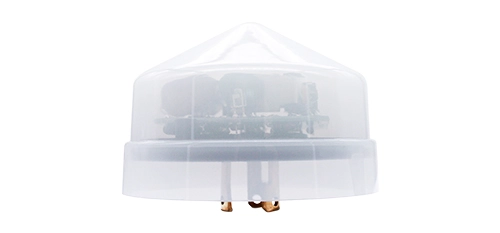
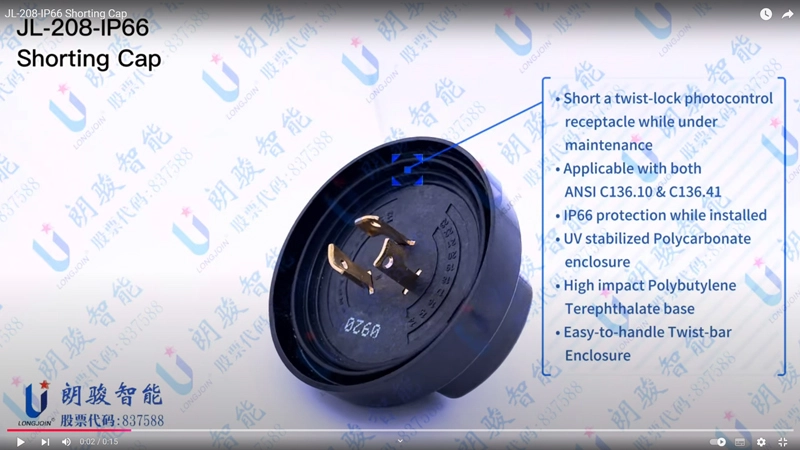
Street lights sometimes use shorting caps instead of photocells because a shorting cap provides continuous power to the lighting fixture without relying on ambient light detection, making it useful for controlled networks, smart lighting systems, or locations where photocells are unnecessary or undesirable. In other words, a shorting cap overrides automatic dusk-to-dawn switching and keeps the luminaire energized at all times, allowing the light to be operated through centralized controls, timers, motion systems, or advanced wireless nodes. This direct answer addresses the core question: shorting caps are used when cities or operators want predictable power delivery, simplified commissioning, or external control that does not depend on a built-in sensor.
Understanding why municipalities, engineers, and manufacturers choose shorting caps requires exploring the evolution of roadway lighting and the shift from standalone photocell control to managed lighting networks. In the past, photocells were the default accessory for most street lights. These dusk-to-dawn sensors enabled autonomous operation: lights turned on when sunlight dropped below a set lux threshold and off when daylight returned. As LED street lights and intelligent lighting systems became more advanced, however, utilities began transitioning to network-based controls, dimming protocols, and coordinated energy management solutions. In these systems, photocells no longer play a primary role. Instead, lights need reliable power so external devices—smart nodes, CMS platforms, or wireless controllers—can take over decision-making. This is where shorting caps become essential.
The following article examines the technical, economic, and operational reasons why shorting caps are deployed, how they compare with photocells, and how they support modern lighting architecture. It also discusses installation scenarios, industry standards, and frequently asked questions based on current PAA trends.
What Exactly Does a Shorting Cap Do in a Street Lighting System?
A shorting cap is a simple device installed on a street light’s receptacle to complete the circuit and deliver continuous power to the luminaire. Unlike a photocell, which switches the load based on light levels, a shorting cap performs no sensing or decision-making. Instead, it bridges specific pins inside the receptacle so that the lighting fixture remains energized whenever the grid or branch circuit is live.
Street lights equipped with NEMA-style receptacles normally expect a control device to sit on top of the fixture. A photocell is the most common device, but when the operator intends to use centralized controls, they may choose to omit photocells entirely. The shorting cap then plays a commissioning role: it energizes the fixture temporarily before the smart controller or wireless node is installed. This practice is especially useful during mass conversions from legacy lighting systems to LED luminaires, when lighting crews need a stable, predictable way to power the lights during testing or pre-deployment.
The jl 208 shorting cap is one example widely used in such conditions. These caps offer a safe and compliant way to bypass automatic switching while ensuring the electrical pathway remains intact. They can also support maintenance procedures because technicians often require the light to stay on while evaluating performance or checking driver behavior.
Continuous power delivery is also necessary for advanced controllers. When a city deploys wireless adaptive lighting systems that rely on real-time communication, nodes need constant electrical power to stay connected. A photocell that switches power based on environmental conditions could interrupt communication or delay device boot sequences. A shorting cap eliminates this risk by ensuring the fixture always receives input voltage, allowing controllers to manage dimming, switching, and scheduling without interruption.
In large-scale installations, electricians appreciate the simplicity of a shorting cap. Its construction is robust, with minimal points of failure. When used with a nema photocell receptacle, the cap provides reliable operation because it relies solely on conductive pathways rather than electronic components. This reliability makes it ideal for high-temperature regions, areas with snow accumulation, or locations where photocells are prone to premature aging.
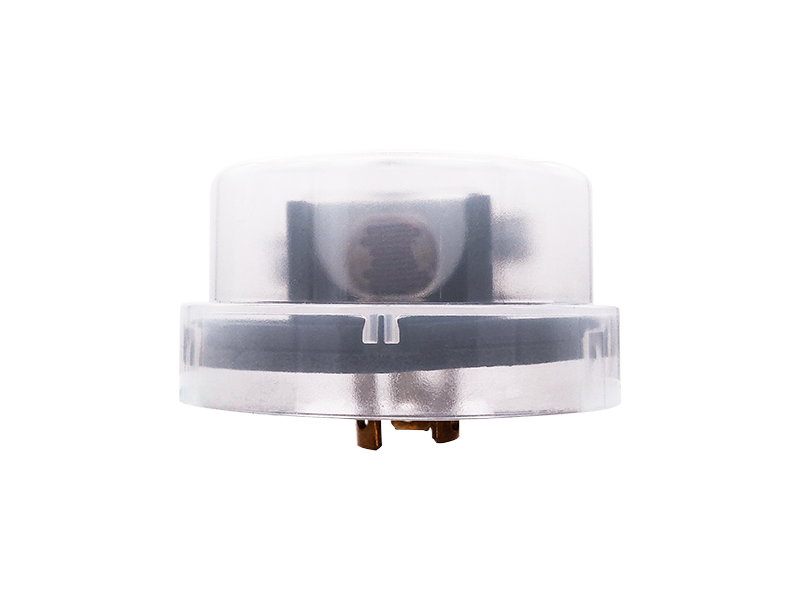
When Are Shorting Caps a Better Choice Than Photocells?
Although photocells remain dominant in traditional outdoor lighting, there are numerous scenarios where shorting caps offer superior performance. These situations are tied to emerging trends in municipal energy management, smart city architecture, and the growing push for integrated lighting controls.
1. Centralized or Smart Control Systems
Cities increasingly replace photocells with wireless nodes or digital controllers. In these systems, the lighting network uses cloud-based or localized management platforms to turn lights on or off, control dimming curves, or respond to traffic patterns. Because these devices require uninterrupted electrical supply, a photocell that occasionally cuts power would interfere. A shorting cap ensures stable voltage so remote controllers can perform optimally.
Street lighting networks that follow standards like TALQ or DALI-2 may integrate hundreds or thousands of luminaires into a unified framework. Continuous power is essential for maintaining communication with the control management system. Smart controllers are often modular and may plug into interfaces such as a zhaga book 18 socket, which supports compact, low-voltage communication nodes. These nodes manage lighting schedules independently from photocells, making shorting caps a more appropriate choice.
2. Locations With External Timing Systems
Some municipalities operate lighting circuits using centralized timers or photocell cabinets installed at the transformer level. In these systems, each branch circuit is controlled collectively rather than at the individual luminaire. Using photocells on each fixture would duplicate functionality and complicate maintenance. Shorting caps simplify the system.
3. Harsh Environments That Degrade Photocells
Coastal regions, desert climates, and extremely cold locations can accelerate photocell failure due to UV exposure, temperature cycling, or salt corrosion. When photocells fail in the "ON" position, they create excessive energy consumption. When they fail "OFF," they create safety risks. Shorting caps eliminate the sensor as a failure point, ensuring reliability where conditions are difficult.
4. Temporary Installations or Construction Zones
Street lights may be installed months before smart controllers are ready. Shorting caps keep the luminaire functioning during the interim. They also support nighttime construction lighting where reliable, non-sensor-based power is essential.
5. Standardization for Large Utilities
Utilities that maintain thousands of luminaires may prefer shorting caps for uniformity, since they reduce the diversity of control components and simplify inventory management.
In all these cases, the choice between a photocell and a shorting cap depends on the lighting objectives, control method, and long-term maintenance strategy. Cities moving toward more sophisticated lighting management typically rely on shorting caps during transitional phases or in permanent deployments.
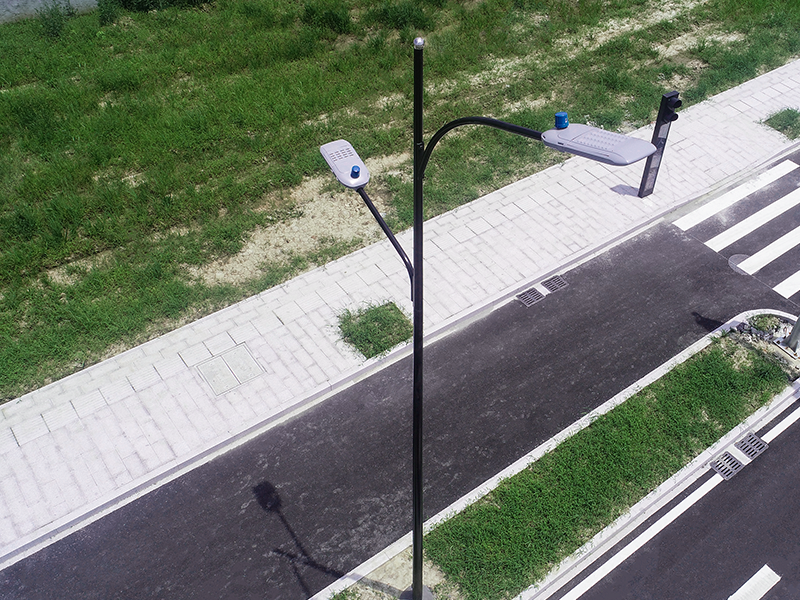
How Do Shorting Caps Fit Into Today's Smart Street Lighting Ecosystem?
Modern roadway lighting systems increasingly incorporate IoT technology, wireless communication, and automated energy optimization. These advancements influence the selection of lighting controls and drive the adoption of shorting caps in applications where autonomy and network behavior are critical.
One significant trend is the shift to node-based controls connected through NEMA-style interfaces or Zhaga connectors. Nodes plugged into a receptacle determine switching, dimming, and monitoring through cloud platforms rather than relying on sunlight detection. In this ecosystem, shorting caps play three important roles: commissioning, fallback operation, and consistency of power flow.
Commissioning Role
Shorting caps allow crews to energize luminaires before communication modules are installed. This is especially important during phased rollouts where fixtures are mounted long before node activation. During commissioning, the electrical team may need to verify the output, driver current, fixture optics, or thermal stability. A shorting cap provides power without the risk of photocell delays or misreads.
Fallback Operation
In rare cases where a smart controller requires replacement or firmware updates, shorting caps keep the light functional until the node is restored. This ensures continuous illumination without relying on onboard sensors.
Consistency of Power Flow
Smart controllers often manage a wide range of parameters: burning hours, fault reporting, dimming schedules, and power consumption logs. Interruptions caused by a photocell could erase logs, reset communication modules, or disrupt network synchronization. Shorting caps eliminate these inconsistencies.
Many cities that implement smart lighting networks source their equipment from street light controller manufacturers specializing in interoperable solutions. These systems not only replace photocells but also support future upgrades such as fault detection, motion-adaptive lighting, and grid analytics. Even accessories like the zhaga receptacle or higher-performance NEMA controls depend on stable power to do their job.
Within the broader lighting supply chain, shorting caps remain valuable because they preserve compatibility with long-established control infrastructures. Depending on the project, installers may still integrate individual sensing devices when appropriate. For example, a fixture that relies on automated dusk-to-dawn operation might use a LongJoin photocell, while certain luminaires require dedicated components—some use a LongJoin jl 103a for basic sensing needs, whereas others may incorporate alternatives such as a LongJoin jl 202a or the LongJoin jl 205c to meet specific wiring or operational requirements. Even with these sensor options available, the nema shorting cap continues to play an essential role for utilities that prefer centralized control logic over fixture-level automation.
Even consumer-oriented devices like a light sensor bulb socket may enhance indoor or residential lighting automation, but commercial roadway infrastructure continues to rely on robust electrical interfaces. As cities evolve, the relationship between shorting caps, photocells, and smart nodes will continue shaping modern lighting strategies.
FAQs
1. Why would a city remove photocells from street lights?
Cities remove photocells when transitioning to smart controllers, timer-based systems, or centralized management platforms that do not require individual sensors. This reduces points of failure and ensures that all luminaires follow coordinated schedules rather than acting independently.
2. Do shorting caps waste energy?
Shorting caps themselves do not waste energy; they simply ensure continuous power to the luminaire. Energy consumption depends on how the lighting is controlled. When paired with smart nodes, overall efficiency can actually improve because dimming and scheduling are more precise than photocell behavior.
3. Can a shorting cap replace a faulty photocell?
Yes, a shorting cap can temporarily replace a damaged photocell to keep the light operating continuously. It is often used during maintenance to maintain illumination until a proper control device is installed.
4. Is a shorting cap safe to use long-term?
Shorting caps are safe when compliant with relevant electrical standards and are widely used for permanent installations, especially in smart street lighting systems where photocells are unnecessary.
5. Do all LED street lights support shorting caps?
Most LED street lights equipped with NEMA or Zhaga receptacles support shorting caps. Some lights without modular receptacles cannot use them unless adapted.
References
[1]. International Electrotechnical Commission. (2020). IEC 62031: LED modules for general lighting – Safety specifications.
[2]. Illuminating Engineering Society. (2021). ANSI/IES RP-8-21: Recommended Practice for Design and Maintenance of Roadway and Parking Facility Lighting.
[3]. U.S. Department of Energy. (2022). "Connected Outdoor Lighting Systems: Technology Fact Sheet." Office of Energy Efficiency & Renewable Energy.
[4]. American National Standards Institute. (2017). ANSI C136.41: Roadway and Area Lighting Equipment – Dimming Control Between an External Locking Type Photocontrol and Ballast or Driver.
Other articles that may be of interest:
How Can You Adjust a Twist Lock Photocell for Optimal Performance?
What Is a Twist Lock Photocell and How Does It Work?
How to Bypass a Photocell Safely?
How to Replace an Outdoor Light Bulb Socket?
Why Is My Photocell Light Flashing?
How to Install a Light Bulb Socket Adapter

 English