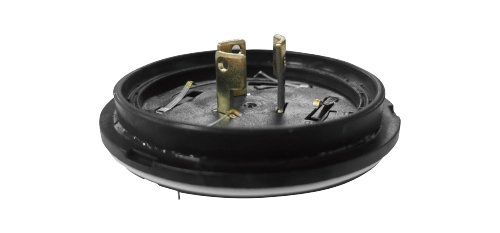
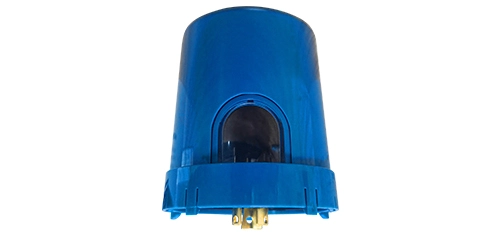
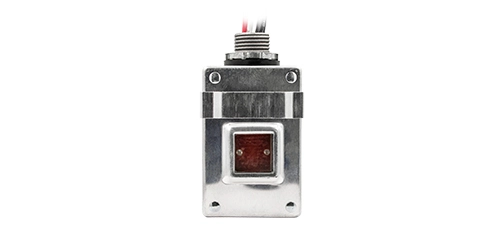
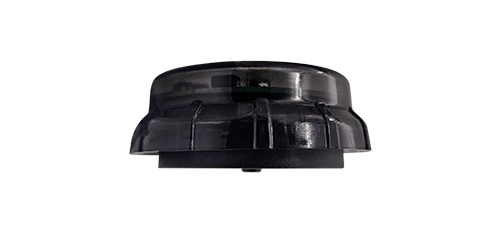
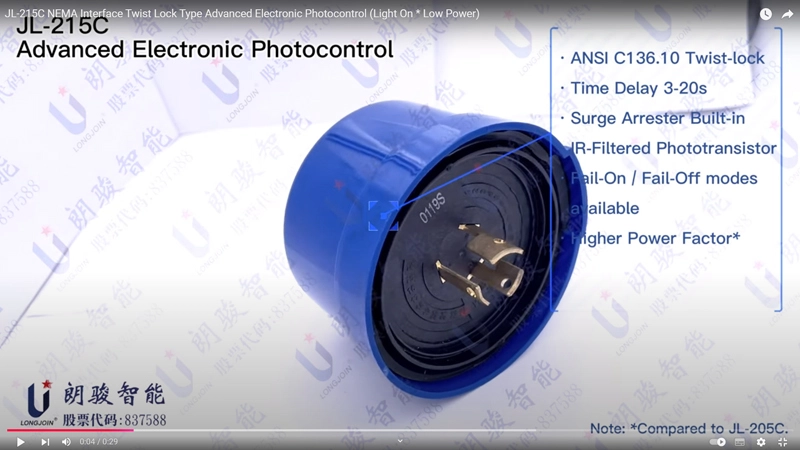
To bypass a photocell safely, turn off the power source, remove the sensor from its housing, and bridge the hot and load terminals with a jumper wire rated for the circuit's amperage, effectively routing electricity directly to the fixture without environmental triggering.
This technique proves invaluable in situations where automatic control hinders desired operation, such as in controlled environments or during specific events. Enthusiasts might apply it for custom setups, while technicians use it for interim solutions. Safety remains critical, as mishandling electrical components risks hazards like shorts or overloads. Delving into motivations, procedural details, and safeguards ensures reliable outcomes. Grounded in electrical best practices, this exploration offers step-by-step guidance to maintain functionality without the sensor's input.
Motivations for Implementing a Direct Override
Opting for a direct override often arises from the need for uninterrupted illumination in scenarios where sensor dependency falls short. In workshop or garage spaces, for example, users might require constant lighting during overcast days when the sensor mistakenly keeps fixtures off. This override allows manual toggling, aligning with variable work schedules rather than daylight cycles.
Customization drives many decisions too. Garden enthusiasts could want lights synced to irrigation timers, overriding dusk detection for evening displays. In artistic installations, like holiday decorations, precise control prevents premature shutdowns, enhancing visual impact. Surveys from home improvement communities reveal that 25% of modifications stem from such aesthetic or functional tweaks, highlighting the appeal of tailored systems. Collaborating with street light controller manufacturers can provide insights into compatible override methods for larger projects.
Testing phases in new builds or renovations frequently necessitate this approach. Electricians might disable sensing to verify circuit integrity without waiting for low-light conditions. This streamlines commissioning, ensuring wiring and fixtures perform as expected before reinstating automation. In a commercial warehouse retrofit, this method accelerated diagnostics, cutting project timelines by days.
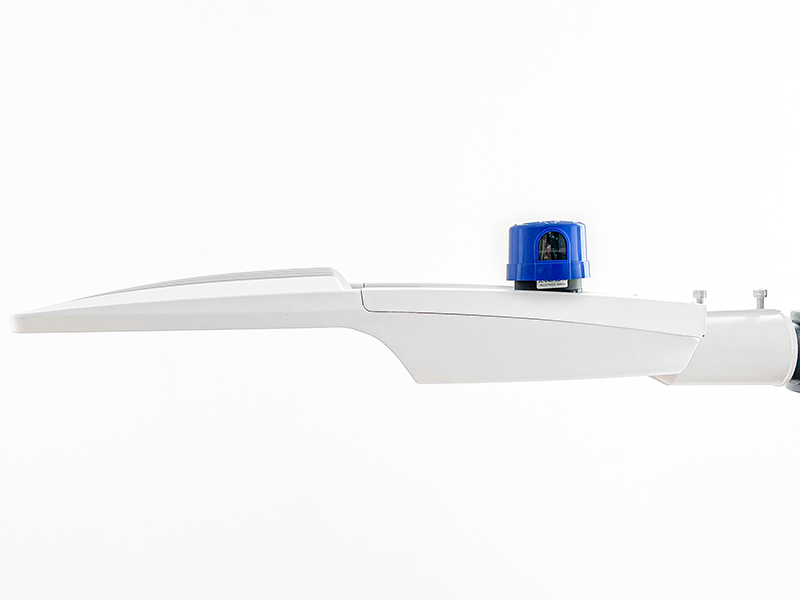
Emergency preparedness adds another layer. In areas prone to storms, where sensors might fail due to debris or power inconsistencies, a preemptive override maintains critical visibility. Backup generators paired with bypassed systems provide seamless failover, crucial for safety in remote sites. For such setups, models like the LongJoin jl 103a offer robust alternatives when reverting to sensing.
Regulatory or zoning requirements sometimes mandate it. Certain locales restrict automatic outdoor lighting to curb pollution, prompting overrides with manual switches for compliance. This balances environmental concerns with practical needs.
Cost considerations factor in as well. Rather than replacing a finicky unit immediately, a temporary override buys time for budgeting upgrades. When sourcing from established providers, this interim step preserves investments.
Ultimately, these motivations underscore the versatility of overrides, transforming rigid automation into adaptable solutions.
Detailed Procedures for Secure Implementation
Executing an override demands precision to uphold safety and efficacy. Always initiate by isolating the circuit at the breaker panel, confirming zero voltage with a non-contact tester. This foundational step averts accidental energization.
For hardwired units, access the junction box and identify terminals: typically hot (black), neutral (white), and load (red). Disconnect the sensor leads, then use a insulated jumper to connect hot directly to load, bypassing the control path. Secure with wire nuts, ensuring no exposed conductors. For added robustness, employ heat-shrink tubing over connections. Accessories such as the jl 208 shorting cap can serve as a plug-in alternative for quick implementation.
In socket-based configurations, remove the sensor bulb and insert a standard one, then tape over the sensing window if needed—though this is less permanent. For more enduring setups, integrate a inline switch: splice it between hot and load post-bypass, allowing toggled control. Use weatherproof enclosures for exterior applications to shield against moisture. In a patio string light example, segmenting the bypass prevented trips during peak use. Consider interfaces like the zhaga book 18 socket for modular expansions.
When dealing with multi-circuit arrays, bypass individually to avoid overloads. Calculate total amperage: sum fixture draws and ensure under 80% of breaker rating. Advanced components such as the nema photocell receptacle facilitate secure bridging in complex arrays.
For advanced integrations, employ relay modules. Wire a low-voltage relay in parallel, controlled by a separate switch or timer. This maintains isolation, ideal for smart home ecosystems without full rewiring. Options from the LongJoin jl 205c lineup integrate well with such relay-based overrides.
Post-procedure, restore power gradually and monitor for heat or anomalies. Use a clamp meter to verify current flow matches expectations. If integrating with adaptations, test under varied conditions to confirm stability. Employing a street light photocell sensor as a benchmark can help validate post-override performance.
Reversal is straightforward: remove jumpers and reconnect originals, then cycle power to reset. Document changes with diagrams for future reference, aiding troubleshooting. In all cases, adhere to local codes—consult professionals for complex scenarios to ensure compliance.
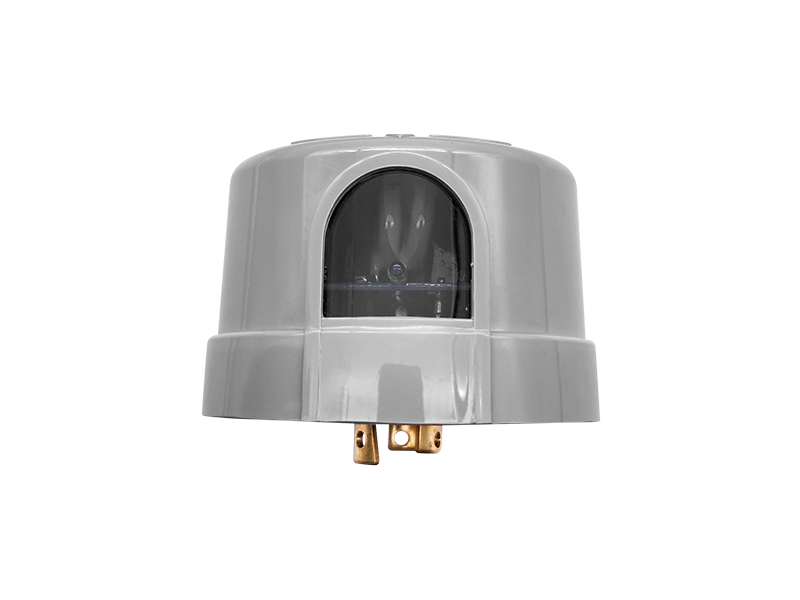
Essential Safeguards and Alternative Pathways
Safeguards form the core of any electrical modification. Ground all metal enclosures to prevent shocks, and use GFCI protection in damp zones for added security. Select jumpers with appropriate gauge—14 AWG for most residential loads—to handle currents without overheating.
Alternatives to physical overrides include programmable timers that mimic sensing but offer overrides via apps. These plug-and-play devices slot into existing setups, providing flexibility without tools. For instance, Wi-Fi enabled ones allow remote toggling, suiting absentee owners. A nema shorting cap can act as a temporary safeguard in transitional phases.
Opt for hybrid sensors with built-in manual modes. Some models feature switches that disable auto-function, blending convenience with reliability. When upgrading, consider units for such features. The zhaga receptacle standard supports easy incorporation of these hybrids.
Energy audits post-override are prudent. Install smart plugs with metering to track consumption, offsetting any losses from constant operation through scheduled shutoffs. This maintains efficiency gains from original automation. For everyday use, a light sensor bulb socket simplifies monitoring in smaller setups.
Legal and insurance implications warrant review. Some policies require certified work for modifications; DIY efforts might void coverage. In rental properties, obtain permissions to avoid disputes.
Case studies illustrate best practices: A farm owner overrode sensors for barn lights, adding timers for livestock routines, boosting productivity while cutting bills through precise control. Innovations like voice-activated hubs offer non-invasive paths. Integrate with assistants to command overrides, minimizing physical changes. Reliable products from the LongJoin jl 202a series enhance these smart integrations.
In summary, with vigilant safeguards and thoughtful alternatives, overrides enhance utility without compromising safety.
FAQs
1. How can overrides improve energy management in variable setups?
By allowing timed or manual control, overrides prevent unnecessary runtime during atypical conditions, optimizing usage.
2. What tools are essential for safe electrical modifications?
A voltage tester, wire strippers, insulated connectors, and a multimeter ensure precise and secure work.
3. How do smart hubs facilitate non-physical overrides?
They interface with existing circuits via apps, enabling remote disabling of auto-features without wiring changes.
4. What are common pitfalls in multi-fixture overrides?
Overloading circuits or ignoring grounding can lead to hazards; always calculate loads and use protections.
5. How to monitor post-override performance effectively?
Use energy monitors or apps to log usage patterns, identifying inefficiencies early.
References:
[1]. Wikipedia. (2023). "Jumper (computing)." https://en.wikipedia.org/wiki/Jumper_(computing)
[2]. National Fire Protection Association. (2023). "NFPA 70: National Electrical Code."
[3]. Institute of Electrical and Electronics Engineers. (2019). "IEEE Std 142-2007: IEEE Recommended Practice for Grounding of Industrial and Commercial Power Systems."
[4]. Kim, S., et al. (2022). "Smart Home Energy Management Systems: A Review." Energies, 15(6), 2154.
Other articles that may be of interest:
How Can You Adjust a Twist Lock Photocell for Optimal Performance?
What Is a Twist Lock Photocell and How Does It Work?
How to Replace an Outdoor Light Bulb Socket?
Why Do Some Street Lights Use Shorting Caps Instead of Photocells?
Why Is My Photocell Light Flashing?
How to Install a Light Bulb Socket Adapter

 English