Replacing an outdoor light bulb socket may seem daunting, but with the proper knowledge and tools, it can be a straightforward task. Whether you're dealing with a worn light bulb outlet socket, faulty light sensor socket, or simply upgrading to a smart light socket, understanding the steps involved will help ensure the process is smooth and safe. This guide will walk you through the tools needed, the step-by-step removal and installation process, safety precautions, and common mistakes to avoid. With this comprehensive approach, you can confidently perform the task, enhancing the performance of your outdoor lamp socket and ensuring efficient illumination.
Tools Needed for Socket Replacement
Having the right tools at hand is essential for replacing an outdoor light bulb socket successfully. The tools not only facilitate the process but also ensure safety and efficiency. Essential tools include a screwdriver, wire cutters/strippers, voltage tester, utility knife, and electrical tape. Understanding the purpose of each can help you prepare adequately.
Tool | Purpose |
Screwdriver | Removing screws from the fixture and socket |
Wire Cutters/Strippers | Cutting and stripping wires for connection |
Voltage Tester | Checking if the electrical circuit is live |
Utility Knife | Cutting insulation materials |
Electrical Tape | Securing wire connections |
Before starting, ensure that all electric light sockets in the fixture are disconnected from power to prevent accidental shocks.

Step-by-Step Removal Process
Removing the existing outdoor bulb socket involves disconnecting the fixture and safely detaching the worn or damaged parts. This step-by-step guide will help you navigate through the process efficiently:
Shut off power at the circuit breaker to avoid electrical shocks.
Remove the light cover and bulb to access the light fixture socket.
Using a screwdriver, detach the screws from the fixture housing and gently pull out the socket.
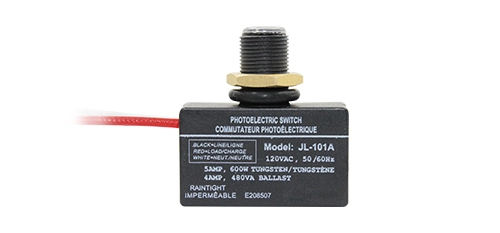
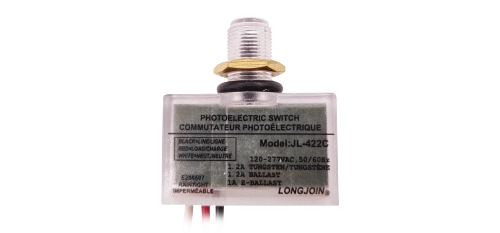
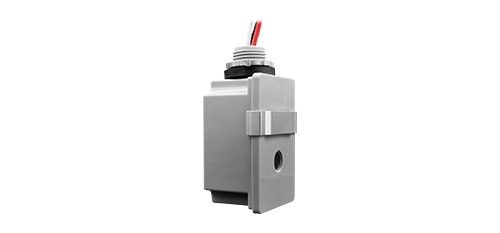
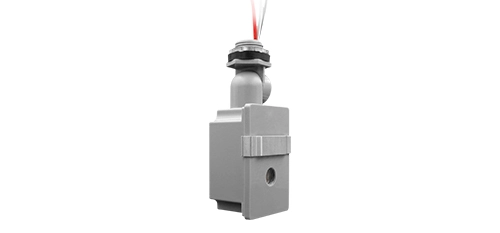
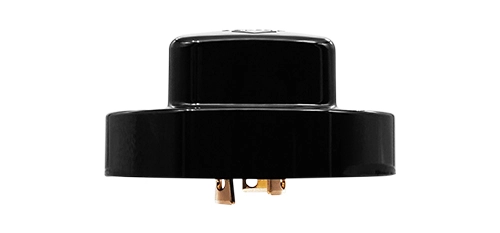
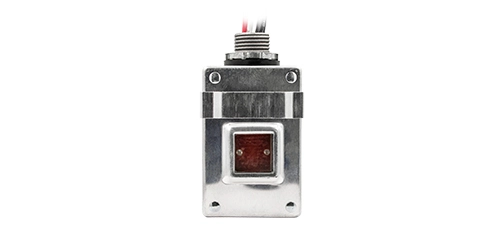
Verify connections using a dusk to dawn LongJoin photocell light sensor or voltage tester to ensure no live wires.
Label the wires as needed for easy reattachment during new light bulb socket types installation.
Taking these steps simplifies the removal of the old lamp light bulb socket and prepares the space for new installations.
Installing a New Weatherproof Socket
Installation of a new weatherproof socket is crucial, especially for outdoor applications. The process ensures longevity and functionality even under harsh weather conditions. Here's how to install one effectively:
Select a new standard light bulb socket type compatible with your fixture.
Attach the labeled wires to the corresponding terminals of the socket, ensuring a snug fit using wire connectors and electrical tape.
Secure the new socket within the fixture using screws, confirming a stable fit.
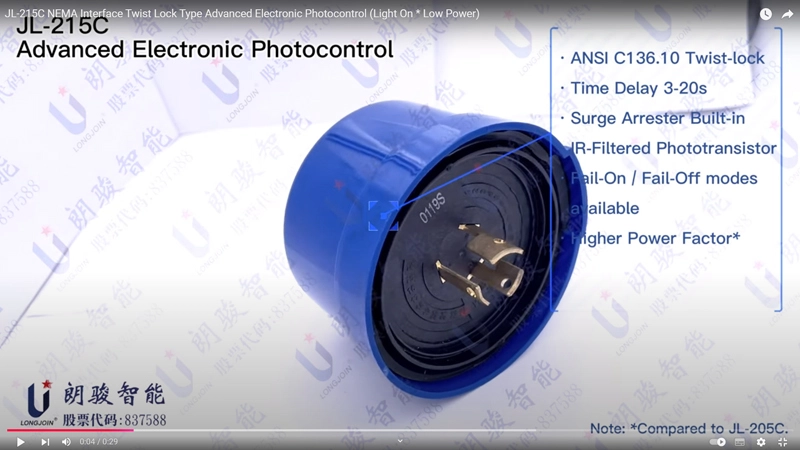
Test the power by temporarily turning on the circuit breaker and using the LongJoin jl 205c photocell sensor for outdoor lighting to check for operational integrity.
Reattach the bulb and light cover, ensuring everything aligns properly and is sealed against moisture.
This installation process enhances both the bulb holder socket functionality and provides protection against environmental factors.

Safety Precautions During Replacement
Maintaining safety during socket replacement is paramount. The combination of electrical components and potential exposure to moisture requires diligence to prevent injuries. Key safety measures include:
Ensuring power is completely turned off at the circuit before any contact.
Using insulated tools, such as screwdrivers, to prevent electrical conductivity.
Avoiding contact with water during replacement to minimize electrical hazards.
Double-checking all connections with a voltmeter or outdoor photocell switch.
Wearing safety gloves and goggles to protect against wires or small fragments.
Awareness and preparation minimize the risks associated with handling electrical lamp sockets outdoors.
Common Mistakes to Avoid
While replacing an outdoor light bulb socket is not overly complex, common errors can lead to malfunctions or safety hazards. Avoid these pitfalls:
Neglecting to turn off the circuit breaker, leading to potential electrical shock.
Using an incompatible candelabra base socket that can cause fitting issues.
Ignoring the use of secure wire connectors and tape, resulting in loose connections.
Mistaking socket compatibility, such as connecting a non-weatherproof socket outside.
Overlooking the role of a photoelectric sensor for outdoor lights, essential for dusk-to-dawn operations.
By being vigilant and following guidelines, you enhance the efficiency and safety of your outdoor lamp photocell applications.
In conclusion, replacing an outdoor light bulb socket involves careful consideration, from assessing required tools to understanding the installation and safety procedures. Whether addressing outdoor photocell sensor concerns or transitioning to a street light photo cell, having a comprehensive guide enables effective and safe socket management. By adhering to this structured approach, you secure better lighting performance and longevity, meeting both functional and aesthetic needs.
Other articles that may be of interest:
How Can You Adjust a Twist Lock Photocell for Optimal Performance?
What Is a Twist Lock Photocell and How Does It Work?
How to Bypass a Photocell Safely?
Why Do Some Street Lights Use Shorting Caps Instead of Photocells?
Why Is My Photocell Light Flashing?
How to Install a Light Bulb Socket Adapter

 English