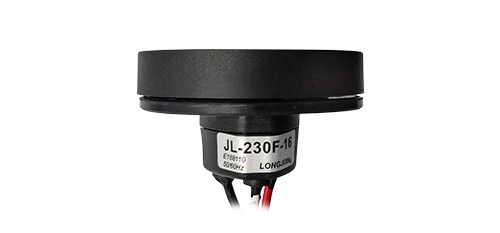
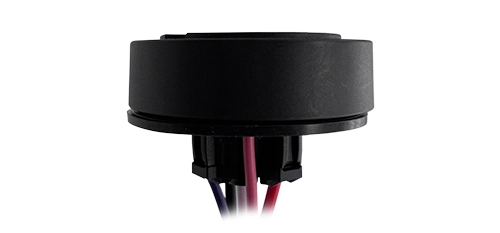
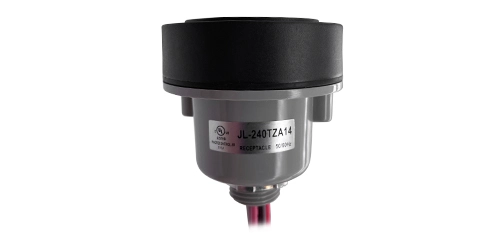
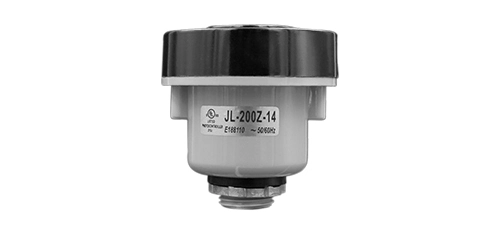
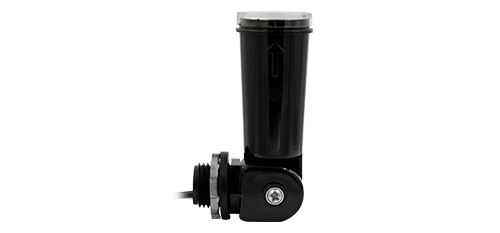
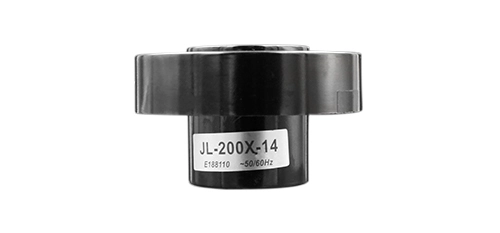
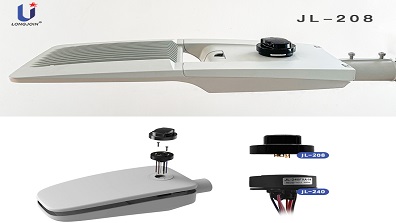
Installing a photocell sensor in your outdoor lighting system is a practical way to enhance energy efficiency and simplify light management. Wiring a photocell, specifically a 3-wire model, may seem daunting, but with the right guidance and tools, it can be a straightforward process. Photocells automatically turn off your outdoor lights during the day and turn them back on at night, providing convenience and reducing energy costs. This article will guide you through the intricacies of wiring a 3-wire photocell, offering a deep understanding of each wire's role, a step-by-step installation guide, tools you'll need, safety measures, and testing protocols. Whether you're dealing with a standard light bulb socket type or need to consider outdoor photocell sensor, this comprehensive guide will ease your journey into efficient outdoor lighting solutions.
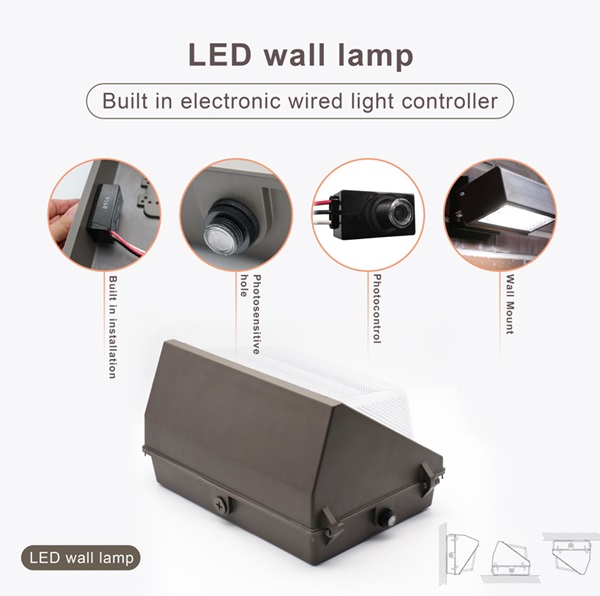
Understanding the Wires
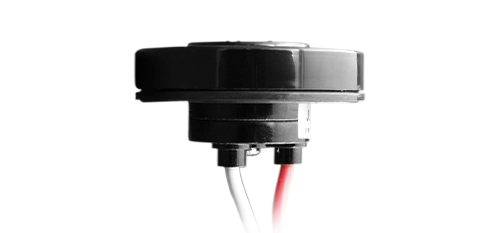
The first step in wiring a 3 wire photocell is understanding the role of each wire involved. Generally, a 3-wire photocell system includes the black, white, and red wires, each critically positioned to ensure the proper functioning of your outdoor light bulb socket.
Wire Color | Function |
Black | Connects to the outdoor lamp socket's live or line wire for power input |
Red | Mainly connects to the load wire which leads to the light fixture socket's live or line input |
White | Serves as the neutral ground wire, completing the circuit back to the power source |
These wires work seamlessly to ensure that your photocell effectively turns on your street light light sensor fixtures at dusk and off at dawn, much like a dusk to dawn photocell sensor. This wiring method is widely applied in photocell sensors for street lights within municipal and outdoor lighting systems.
Step-by-Step Wiring Guide
Wiring a 3-wire photocell is an essential skill for ensuring efficient outdoor lighting systems. Follow these steps to connect your photocell to your light system safely and effectively:
1. Turn Off Power: Ensure you shut off the power supply to the light fixture socket at the breaker box to prevent any electrical accidents.
2. Identify Wires: Locate your photocell's black, white, and red wires, as mentioned in the earlier section.
3. Connect Wires:
Connect the black wire from the photocell to the black wire of the electric light sockets or the wiring coming from your light bulb electrical socket.
Connect the red wire to the load wire, typically leading to the light fixture you want to control.
Complete the circuit by connecting the white wire to the existing neutral wire in your system using a wire nut or connector.
4. Secure Connections: Double-check all connections are secure and insulated to prevent short-circuits or electrical shocks.
5. Re-energize System: Turn the power back on from the breaker to test if your outdoor photocell sensor is operational.
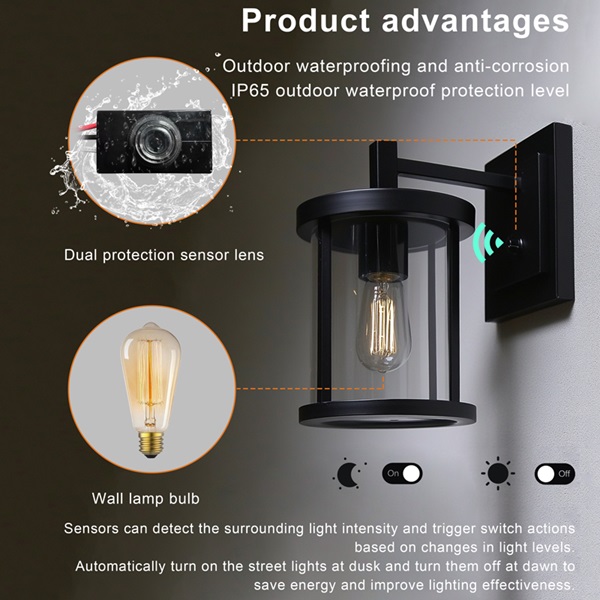
Tools Required
To wire a photocell, gathering the right tools and materials beforehand ensures a smooth installation process. The following are core requirements for wiring outdoor bulb sockets and other related fixtures:
Voltage tester to ensure power is off and verify connection
Wire strippers to remove the insulation from the wires
Screwdriver set to fasten and loosen wire nuts or connection points
Wire nuts to safely secure wire connections
Electrical tape for additional insulation where necessary
Drill (optional) for mounting the photocell sensor for outdoor lighting
Having these tools accessible not only makes the installation process efficient but also ensures that your light bulb outlet socket connections are safe and secure.
Safety Guidelines
Wiring photoelectric sensors for outdoor lights involves electrical work, which requires the utmost diligence in safety protocols. Adhering to the following guidelines can protect you from potential hazards:
Power Off: Always start by ensuring that the power supply is turned off at the main electrical panel before you begin wiring on the lamp sockets types.
Double Check Connections: After installation, review all connections to ensure wires are not exposed and that they are tightly secured with wire nuts.
Verify Grounding: Check that all components, including the lamp light bulb socket, are properly grounded to prevent electric shock.
Use Insulated Tools: Always work with tools that have insulated handles to reduce the risk of electrical shocks.
Following these precautions not only helps you avoid accidents and injury, but it also promotes a safer installation environment.
Testing After Installation
Upon completing the wiring process, it is critical to test your outdoor lamp photocell and ensure that all components function as desired. Here's how to effectively test your system:
Re-Energize the System: Restore power to the circuit from the breaker box and check your light sensor socket for functionality.
Simulate Lighting Conditions: Cover or shine a light on the outdoor photocell light sensor to ensure it responds correctly in various light conditions, mimicking day and night cycles.
Check Operation Timing: Confirm that your dusk to dawn photocell system works, with lights turning on at dusk and turning off at dawn.
Testing Safety: Verify that all connections have been safely secured and there is no overheating or sparking around the electrical lamp sockets.
Proper testing ensures optimal performance and extends the longevity of your photocell installation, providing convenience and energy efficiency for your outdoor light bulb socket system. These procedures can be used to test LongJoin photocells for proper response to changing light conditions after installation.
Conclusion
Understanding how to wire a 3-wire photocell for outdoor lighting not only facilitates enhanced energy management but also contributes to an efficient and eco-friendly living environment. From grasping the roles of light bulb socket types to navigating through the complex process of installation and testing, the right knowledge is pivotal to ensure the successful operation of your outdoor lamp socket systems. By comprehending wiring protocols and safety guidelines, you can comfortably install and operate your photocell sensor for outdoor lighting. Embrace the convenience of automated lighting and enjoy the benefits of a system that responds to its environment efficiently.
References:

 English