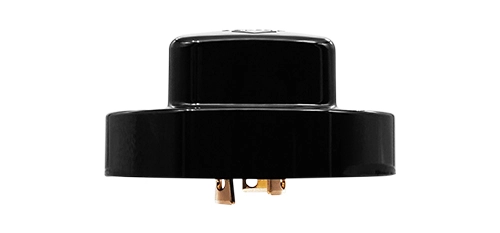
The quest for efficient outdoor light bulb socket systems often leads to a comparison between photocell and solar sensors. Both technologies offer distinct advantages and come with their own sets of considerations. Whether you're looking to upgrade your home's outdoor bulb socket or install new lighting solutions for enhanced energy efficiency, understanding the various factors that distinguish these two types of sensors can guide your decision-making process. This comprehensive guide explores the nuances of power source differences, efficiency in low light, installation complexity, and environmental impacts of photocell and solar sensor technologies. Let's delve into these aspects to equip you with the knowledge necessary for making an informed choice that suits your light bulb socket outdoor needs.

Power Source Differences
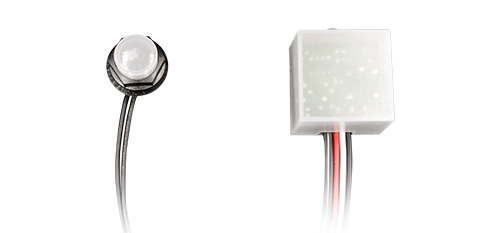
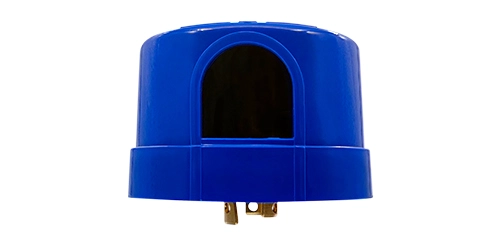
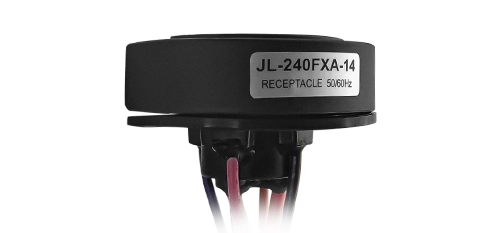
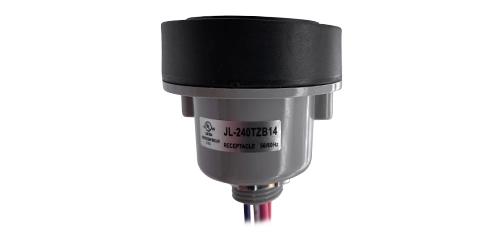
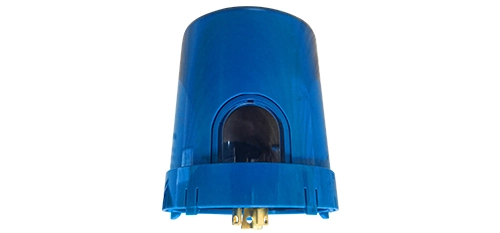
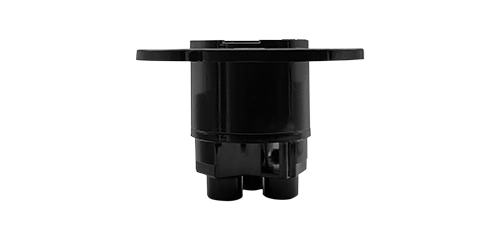
When selecting between photocell and solar sensors for outdoor lighting, understanding their power source is crucial. Photocell sensors, including the reliable LongJoin photocell, comprise a photoelectric cell for outdoor lights, which responds to ambient light levels, activating bulbs at dusk and deactivating at dawn. These sensors are integrated into electric light sockets and require a steady electrical connection, typically through a wired system, such as wiring in a photocell.
Conversely, solar sensors utilize photovoltaic panels to convert sunlight into electrical power, storing it in an onboard battery. This method eliminates the need for external wiring, offering an independent power solution that's especially beneficial in locations where traditional power access is limited. The solar sensor's reliance on light-sensitive panels makes their integration with light sensor socket systems highly efficient, reducing dependency on conventional energy sources.
Sensor Type | Power Source | Requirements |
Photocell Sensor | Electrical Grid | Wiring, reliable power supply |
Solar Sensor | Sunlight | Sun exposure, solar panel maintenance |
Efficiency in Low Light
Another critical consideration is how each sensor performs under low light conditions. Photocell sensors are highly effective in both urban and rural settings, reliably adjusting to ambient light changes. They react swiftly to the loss of daylight, providing consistent activation of outdoor light bulb socket fixtures without delay, making them suitable for areas with variable lighting conditions, including street light photo cell setups.
Solar sensors, on the other hand, may experience diminished performance in environments that encounter frequent overcast skies or limited sun exposure. Their efficiency heavily relies on the regular and sufficient exposure to sunlight to charge their batteries fully. For optimal performance, it is important to ensure that solar panels are correctly positioned and free from obstructions that could limit light capture.

Installation Complexity
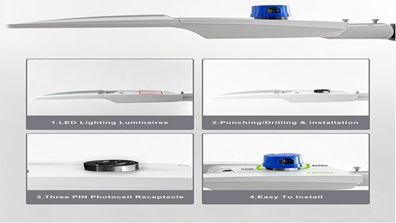
Installation requirements vary for photocell and solar sensors, impacting ease and cost-efficiency. Photocell sensors tend to integrate seamlessly into existing electrical setups, especially if you're upgrading light fixtures socket systems already wired for dusk to dawn photocell light sensor applications. Installation might involve straightforward rewiring and setup adjustments, making it accessible for most homeowners.
On the other hand, solar sensor systems may necessitate a more intricate installation process, involving solar panel placement and battery setup to optimize energy capture and storage. This can mean higher initial labor costs and the need for specialized installation services, which can offset some of the long-term savings associated with solar power. This complexity may be particularly pertinent when installing LongJoin jl 205c within outdoor photocell light sensor systems.
Environmental Impact
Finally, the environmental implications of each sensor type can influence your decision. Photocell sensors, while reducing energy waste through automated lighting adjustments, still rely on fossil-fuel-powered electrical grids, contributing indirectly to greenhouse gas emissions. However, they ensure that lights operate only when necessary, reducing electricity consumption.
Solar sensors offer a distinctly eco-friendly option, harnessing renewable energy from the sun to power your black lamp socket and candelabra base socket systems. This reliance on solar power significantly reduces the carbon footprint of your outdoor lighting setup, supporting broader environmental sustainability goals. It's important to consider the region's sunlight availability to maximize the benefits of a solar-powered system.
Ultimately, the choice between photocell and solar sensors for your bulb socket solutions depends on balancing practicality, cost, efficiency, installation ease, and environmental concerns. Both options have their merits and can be tailored to meet specific needs and contexts.

 English