With the rapid adoption of LED retrofits and smart city programs across the United States, street light controllers have become an essential part of outdoor lighting infrastructure. Modern systems do more than simply turn lights on or off—they provide adaptive dimming, real-time monitoring, and networked management to improve energy efficiency and reduce maintenance costs.
Municipalities, utility companies, and contractors now evaluate both hardware and software aspects when selecting street light controller manufacturers, ensuring compatibility, reliability, and scalability.
Overview of the US Street Light Controller Market
Street lighting accounts for a significant portion of public energy consumption. Upgrading legacy fixtures to LED luminaires often involves adding control systems compatible with existing infrastructure.
Core components of modern street lighting include:
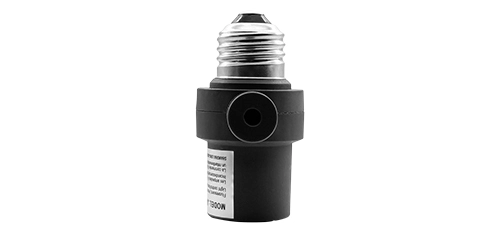
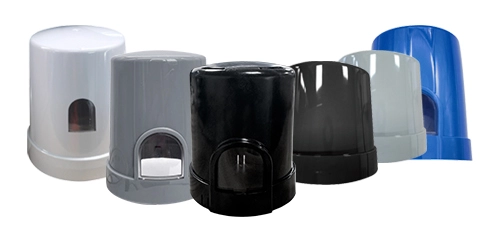
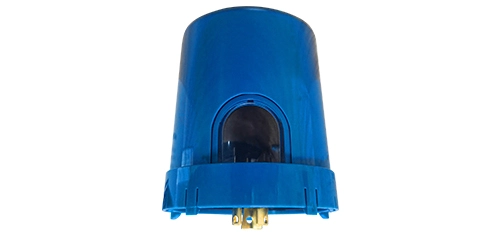
Sensors like street light photocell and light sensor bulb socket
These components allow cities to manage lighting zones efficiently, schedule dimming, and monitor energy usage in real time, creating more sustainable and cost-effective networks.
How Street Lights Are Controlled
Street lights are controlled through a combination of on-site devices and centralized management platforms.
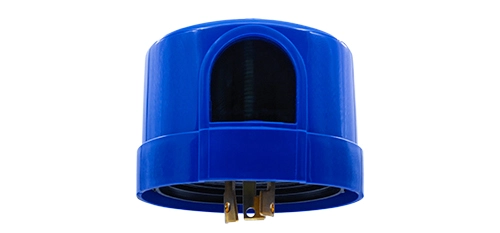
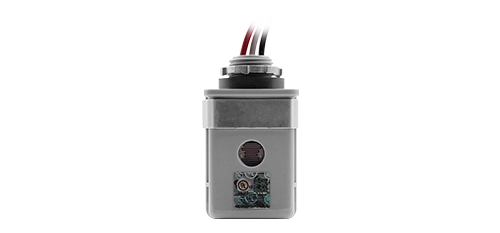
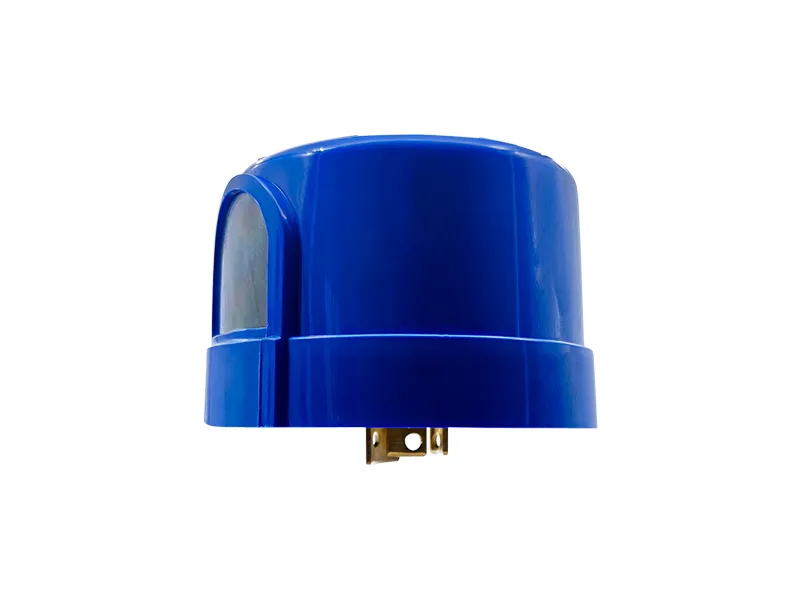
Street lamp photocell devices detect ambient light levels to automatically switch lights on at dusk and off at dawn.
During installation or maintenance, technicians use jl 208 shorting cap or 7 pin shorting cap to temporarily bypass the photocell for testing and verification.
Advanced systems also incorporate networked controllers that enable remote dimming, fault detection, and scheduled operations, ensuring optimal lighting and energy use.
For a visual demonstration of how modern street lighting systems operate, the following video shows a complete smart street lighting solution. It highlights how sensors, controllers, and centralized management platforms work together to automate and optimize street lighting in urban environments.
This video helps illustrate how street light controllers, street lamp photocells, and networked sensors interact in real-world installations, providing a clear view of the technology in action.
What Is a Street Light Control System?
A street light control system integrates field controllers, sensors, and centralized management software to provide comprehensive monitoring and control.
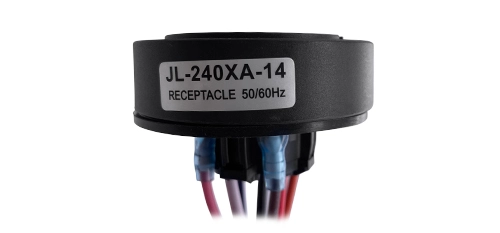
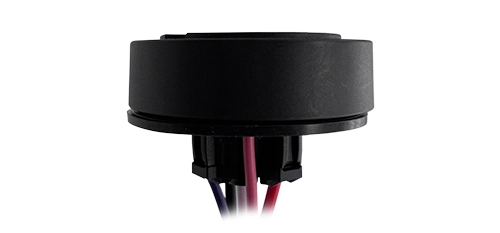
Field controllers regulate power to luminaires and often include plug-in modules compatible with nema socket street lighting standards.
Sensors, such as street light photocell, detect ambient light levels to control operation.
Centralized platforms monitor energy usage, detect failures, and allow remote adjustments.
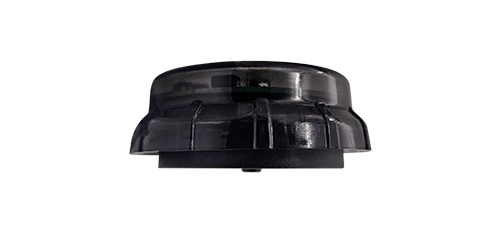
Some systems use modules like jl 101, jl 103, or jl 106 for fixture-level control. Others adopt standardized zhaga receptacle interfaces for flexible integration and easy upgrades.
Technical Components of Street Light Control
Street lighting systems rely on multiple elements for proper function:
Ambient light sensing via street lamp photocell or street light photocell
Automated switching using automatic light socket modules or fixture-mounted controllers
Standardized connections, including nema socket photocell, jl 700, or jl 202a series devices
Temporary bypass using shorting cap or shorting cap for photocell during commissioning
This layered approach ensures lights operate only when needed, optimizing energy efficiency and extending the lifespan of luminaires.
Top Street Light Controller Manufacturers Serving the US Market
The following companies are recognized for providing reliable street light control solutions with broad adoption in the US:
Acuity Brands
Website: https://www.acuitybrands.com Acuity Brands delivers scalable outdoor lighting systems with integrated controllers. Their solutions include advanced scheduling, fault detection, and analytics, widely adopted by municipal and utility clients.
Eaton
Website: https://www.eaton.com Eaton specializes in utility-grade street lighting controllers. Their products are known for durability and integration with existing electrical infrastructure.
Hubbell offers networked lighting solutions designed for outdoor environments. Their systems support a range of communication technologies and are commonly used by US utilities.
Current (Powered by GE)
Website: https://www.currentlighting.com Current focuses on intelligent platforms with cloud-based monitoring and data analytics, enabling smart city integration and large-scale deployments.
Cree Lighting
Website: https://www.creelighting.com Cree combines high-efficiency LED luminaires with intelligent control, providing both optical performance and energy savings.
Signify North America (Philips)
Website: https://www.signify.com Signify provides interoperable, standards-based lighting systems for municipalities, emphasizing long-term sustainability and IoT integration.
Comparison Table: Leading Street Light Controller Manufacturers in the US
Manufacturers embracing open standards and IoT-ready systems are positioned to lead future deployments.
FAQs About Street Light Controllers
What is a street light controller?
A street light controller is a device that automatically switches street lights on or off based on ambient light, schedules, or smart control signals. It helps reduce energy consumption and extend fixture lifespan.
How does a street light photocell work?
A street light photocell detects surrounding light intensity, turning lights on at dusk and off at dawn. It operates automatically and is widely used in municipal and roadway lighting.
What is a NEMA photocell receptacle?
A NEMA photocell receptacle is a standardized socket for plug-in photocells or smart controllers. It ensures compatibility across different luminaires and manufacturers.
What is a Zhaga Book 18 socket?
A Zhaga Book 18 socket is a standardized interface for smart luminaires, enabling easy installation of sensors and control modules without altering fixture design.
What is a shorting cap?
A shorting cap temporarily bypasses the photocell sensor, keeping lights continuously on during testing or maintenance. Common types include photocell shorting cap and shorting cap for photocell.
How much does a street light controller cost?
Street light controller price depends on communication technology, software integration, and scale. Standardized systems with components like jl 101, jl 103, or jl 106 modules often optimize long-term cost.
Can street light controllers be used in smart city projects?
Yes. Controllers that support automatic light socket, light sensor bulb socket, or networked protocols can integrate into smart city platforms for data collection and energy management.

 English