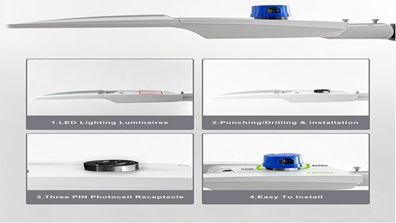
Outdoor photocell sensors are integral components in modern lighting systems, especially in outdoor and street lighting settings. These sensors provide efficiency by automating light activation based on the presence of ambient light, eliminating the need for manual intervention or timers. Outdoor photocell sensors operate by detecting light levels and switching on the connected load, such as lamps or streetlights, when the environment becomes dark. This article provides a comprehensive exploration of outdoor photocell sensors: from their basic principles and key components to their applications and common maintenance practices. Whether you're interested in installing a dusk to dawn photocell sensor or understanding the functionality behind street light photocells, this guide will enhance your knowledge and confidence in using these smart lighting solutions.
Basic Principles of Photocells
The underlying principle of photocells involves the conversion of light into an electrical signal. This process enables the sensor to determine when to activate lighting systems. The sensor contains a light-sensitive element, typically a photoresistor or photoelectric sensor, which alters its resistance based on light exposure. In daylight, the sensor has low resistance, preventing current from flowing to the connected lights. As darkness falls, the photoresistor's resistance increases, allowing current to flow and activating the lights.
Facility | Component | Function |
Outdoor Lamp | Outdoor lamp socket | Holds the bulb and connects the electrical component to the photocell sensor |
Street Light | Sensors on street lights | Detects ambient light to control the light operation |
Residential Lights | Twist lock photocell | Provides easy installation and maintenance of light sensors |
Security Lighting | Dusk to dawn photocell | Automatically activates lights during nighttime for security purposes |
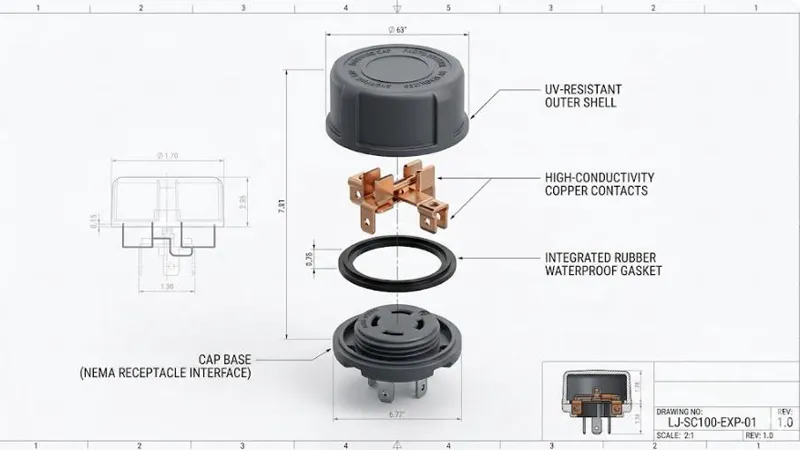
Components of a Photocell
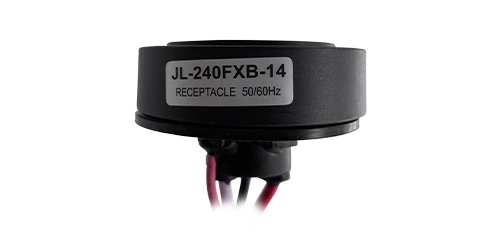
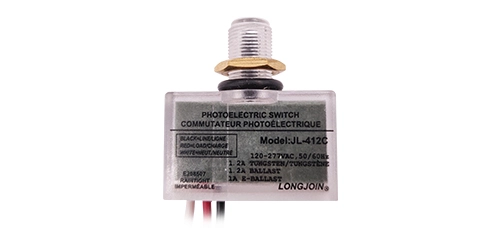
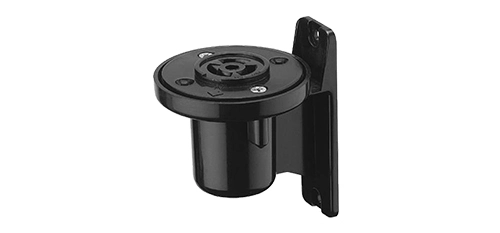
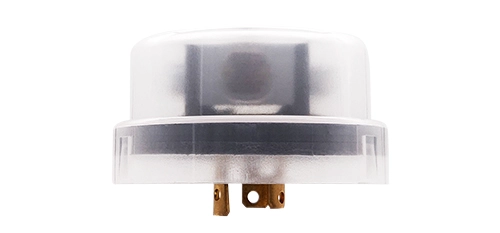
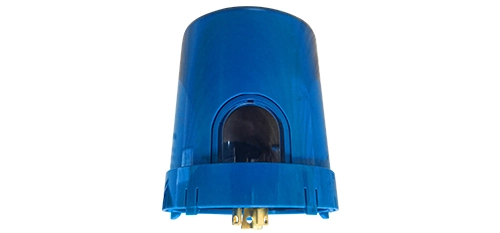
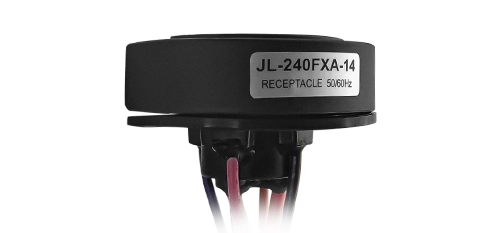
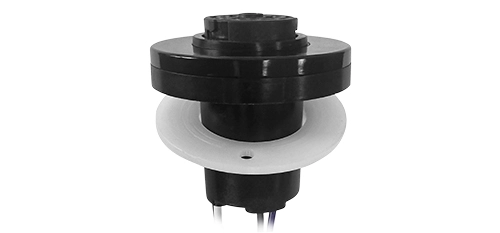
Outdoor photocell sensors consist of several key components that work together to ensure efficient light operation. These include the sensing element, control circuits, photocell base, and housing unit. The sensing element, often a photoelectric cell for outdoor lights, detects light levels and communicates with the control circuit. The control circuit processes the incoming signal, determining whether to activate or deactivate the lights. Moreover, the housing ensures durability and safety, protecting the sensor from environmental factors. In many outdoor lighting systems, a twist lock photocell is used, featuring a protective housing that helps resist moisture, dust, and environmental exposure.
Applications in Outdoor Lighting
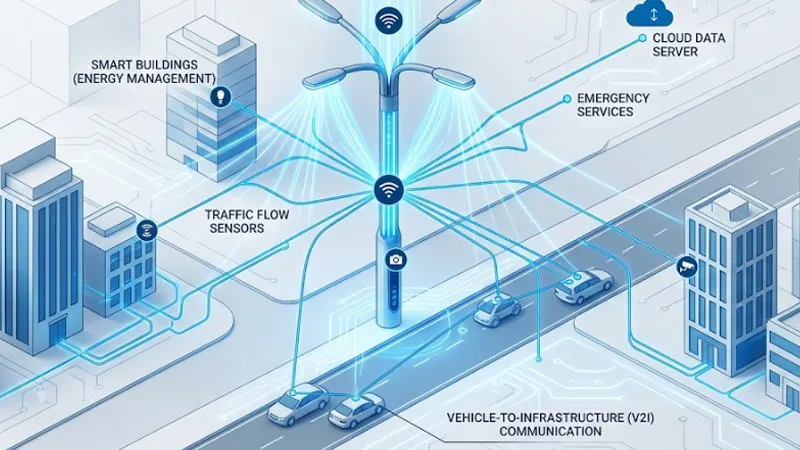
Outdoor photocell sensors are employed across various applications to enhance outdoor lighting efficiency. They are prevalent in settings like streetlights, security lighting, and residential areas where light control is crucial. They are widely used in photocell sensors for street lights within municipal lighting systems for automated and energy-efficient operation. Utilizing a light sensor socket in your outdoor lighting setup allows for automatic light socket activation, saving energy and extending bulb life. Furthermore, the integration of light socket types into smart home systems ensures seamless operations, particularly in environments requiring adaptive lighting solutions like parks and pedestrian areas.
Troubleshooting Common Issues
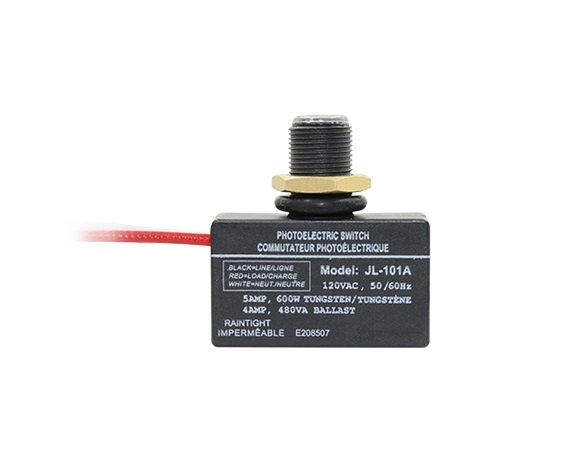
Despite their efficiency, outdoor photocell sensors can occasionally encounter operational issues. Common problems include flickering lights, sensors failing to activate, and unexpected shutdowns. Solving these issues often involves checking the wiring in a photocell for loose connections, cleaning sensor surfaces, or replacing faulty components such as a light fixture socket or bulb holder socket. Regular diagnostics safeguard against potential disruptions and ensure that these systems continue to operate as intended.
Maintenance Tips
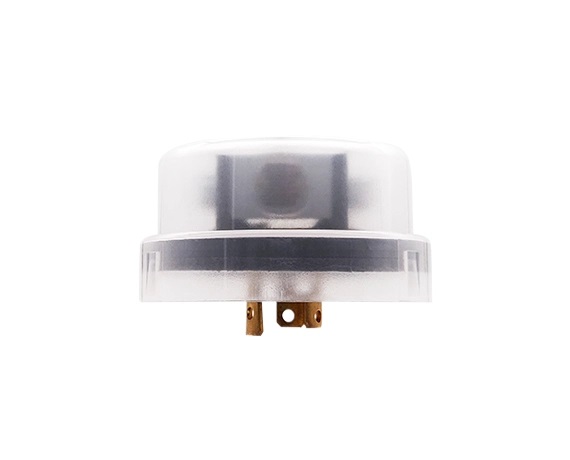
Regular maintenance of outdoor photocell sensors is crucial for sustaining their functionality and prolonging their lifespan. This includes routine inspections to ascertain the sensor's sensitivity and verifying the integrity of electrical connections, such as the light bulb electrical socket. Additionally, cleaning the sensor's surface and ensuring a clear line of sight can prevent disruptions caused by dust or obstruction. Proper maintenance of the standard light bulb socket type and related components will maximize the operational efficiency of your lighting setup.
In conclusion, outdoor photocell sensors represent an integral advancement in the realm of smart lighting systems by automating the control of outdoor and street lighting through light detection. Understanding their principles and components allows for optimized use and maintenance, reducing energy consumption and enhancing security in various settings. With outdoor photocell switches and street lamp light sensors, smart lighting solutions are more accessible, minimizing manual operations while providing reliable and efficient lighting wherever it's needed.
References:

 English