When you look at a street light, you probably don't give much thought to the small dome-shaped component sitting on top of the fixture. Yet that unassuming piece of hardware — the photocontrol cover — does a job that's far more important than its size suggests. It's the first line of defense for the electronics that decide when outdoor lights turn on at dusk and off at dawn, and in an era of smart lighting networks, the stakes for getting that protection right have never been higher.
The Quiet Guardian of Outdoor Lighting
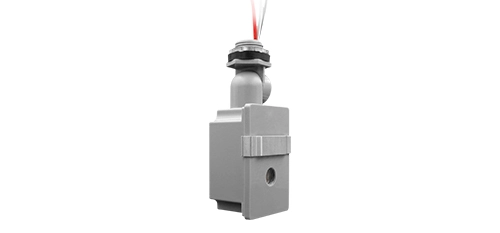
A photo control cover is more than a plastic shell. It shields the internal sensor and controller from rain, dust, insects, and UV radiation that, over time, can degrade sensitive components and cause erratic switching behavior. Without a reliable cover, a street light might start turning on in the middle of the afternoon — or fail to light up when it’s needed most.
Manufacturers address this in different ways depending on the design standard the fixture follows. The two most recognized standards in outdoor lighting today are NEMA (primarily rooted in the ANSI C136 series) and Zhaga (defined by the Zhaga Consortium's Book 18). Each has its own cover form factor, and understanding the difference is essential for anyone specifying, installing, or maintaining outdoor luminaires.
NEMA Covers: Proven and Versatile
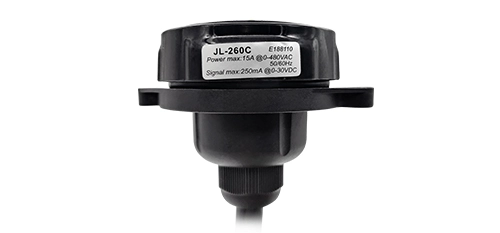
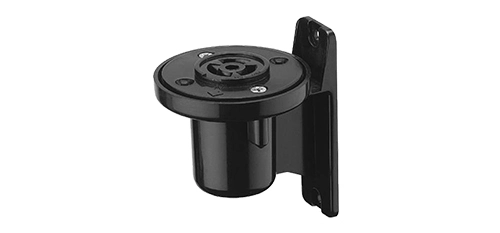
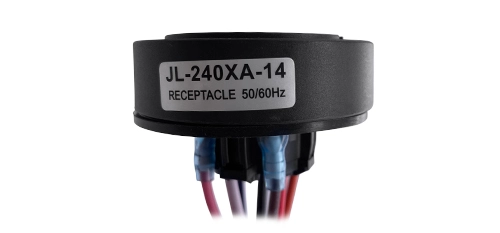
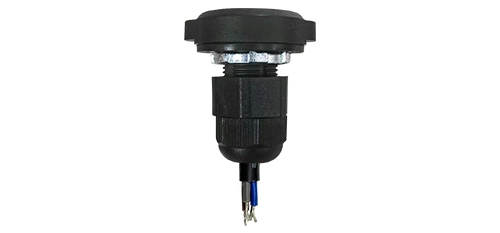
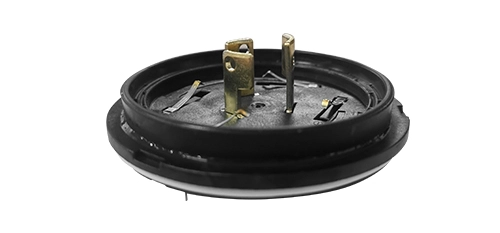
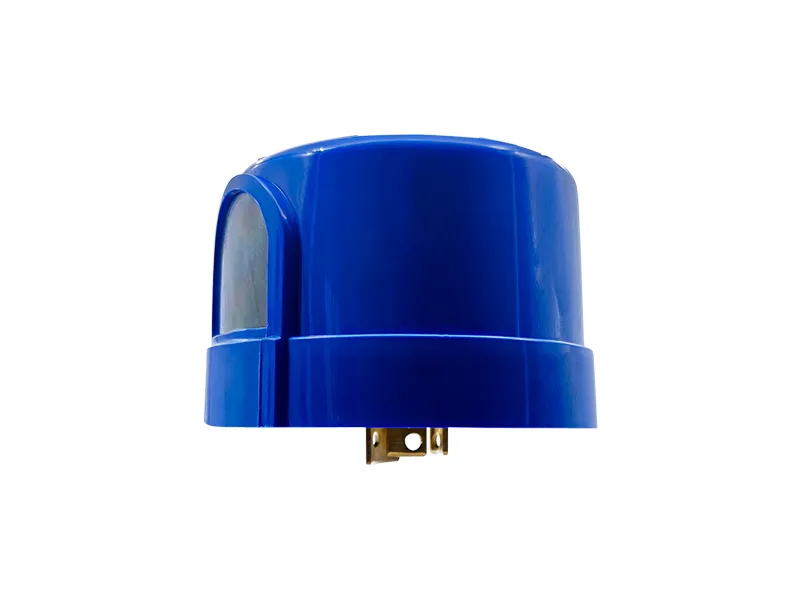
The NEMA photocontrol interface has been around for decades, widely adopted in North America and parts of Asia Pacific. A NEMA interface light controller cover is designed to house controllers that sit on top of the luminaire and connect through a twist-lock receptacle — typically three, five, or seven pins.
What makes this cover special is the environment it has to endure. Mounted on top of a fixture with direct exposure to sun, rain, and temperature swings, the cover needs to resist UV degradation and maintain a secure seal year after year. Quality NEMA covers are made from UV-stabilized polycarbonate — the same class of material used for automotive headlamp lenses — and achieve at least IP65 protection, meaning they're fully shielded against dust ingress and low-pressure water jets from any direction.
The twist-lock design also makes installation and replacement straightforward: align the controller, push it down onto the receptacle, and give it a clockwise turn to lock everything into place. Maintenance crews appreciate this simplicity, especially when servicing fixtures at height, and rely on a durable NEMA Light Controller Base Cover to protect sensitive components from the elements.
Zhaga Covers: Compact and Future-Ready
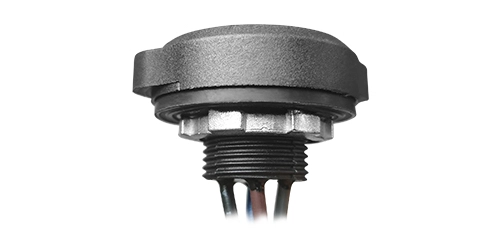
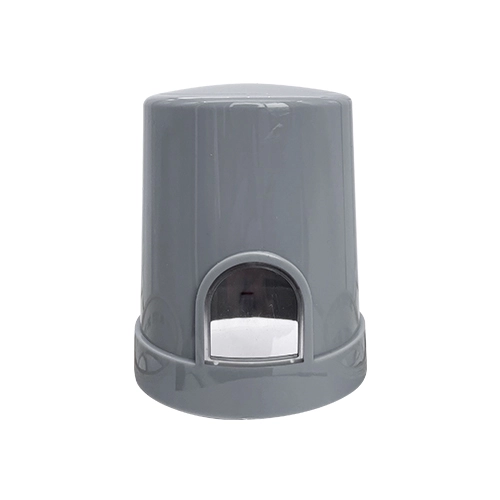
If NEMA represents the established approach, Zhaga represents where the industry is heading — particularly in Europe and in smart city projects that demand interoperability across vendors. The Zhaga interface light controller cover is part of a standardized ecosystem defined by the Zhaga Consortium, a global industry body operating under the IEEE Industry Standards and Technology Organisation umbrella.
Zhaga covers are typically smaller and more discreet than their NEMA counterparts. That's partly because the underlying electrical architecture is different: in a Zhaga-D4i system, the controller operates on low-voltage auxiliary power supplied by the LED driver rather than handling mains voltage directly. The result is a physically smaller controller, and consequently a more compact cover — something architects and city planners often prefer when aesthetics matter.
The Zhaga standard prioritizes plug-and-play interoperability. A certified Zhaga cover and controller from one manufacturer should work seamlessly with a receptacle from another. This modularity makes future upgrades simpler: when new sensor or communication technology emerges, operators can swap out the controller module without replacing the entire luminaire.
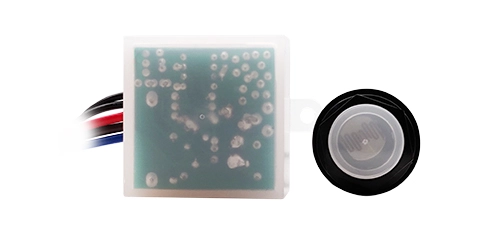
In terms of protection, Zhaga assemblies commonly reach IP66 when properly mated, which means resistance to powerful water jets in addition to complete dust protection, making the Zhaga Light Controller Base Cover a reliable choice for modern, modular luminaires.
The Difference Is in the Details
Beyond the two interface standards, covers also differ in less obvious ways that have a real impact on performance. One factor that often gets overlooked is optical design. The cover doesn't just protect the sensor — it influences how ambient light reaches it.
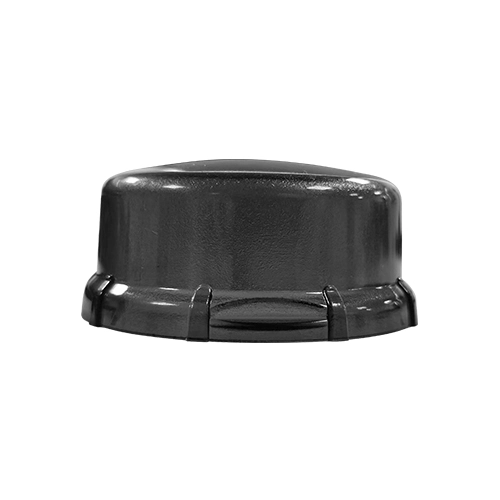
Translucent covers in darker shades, for instance, can help prevent premature switching caused by reflected light from nearby buildings, signs, or even snow-covered ground. A clear cover might seem like the obvious choice, but in environments with significant light pollution, a smoked or gray-tinted cover can produce more consistent dusk-to-dawn behavior.
Material quality also separates good covers from mediocre ones. Polycarbonate with proper UV stabilization retains its optical clarity and mechanical strength over years of direct sunlight exposure. Without it, covers can yellow and develop micro-cracks that let moisture seep in, gradually degrading the sensor inside.
Why the Right Cover Choice Matters Now?
The timing for paying closer attention to photocontrol covers is not coincidental. Global smart street lighting is growing at a rapid pace, with market analysts projecting the sector to expand from roughly 3.56 billion in 2026 to 7.49 billion by 2030. As cities retrofit existing fixtures with connected controllers, the physical housing that protects those electronics becomes a crucial link in the reliability chain.
A well-matched cover does more than protect. It ensures that the controller's built-in delay logic works as intended — preventing false triggers from passing headlights — and that the sensor's light threshold remains stable across seasons. For municipalities managing thousands of fixtures, even minor inconsistencies in on/off timing can translate into measurable energy waste and increased maintenance calls.
Matching the Cover to the Application
So how do you choose? The decision largely depends on what the project needs now — and what it might need later. A NEMA-based system offers proven field reliability, broad regional acceptance in North America, and the flexibility to support multiple protocols through its pin configuration. A Zhaga-based system leans toward compactness, standardization across vendors, and tighter integration with DALI-2 and D4i ecosystems.
Either way, the cover itself deserves the same level of scrutiny as the electronics it houses. Look for materials with documented UV resistance, IP ratings that match the installation environment, and compatibility with the receptacle standard the luminaire is built around.
At LongJoin, we supply both NEMA interface and Zhaga interface light controller covers, manufactured from UV-stabilized polycarbonate and designed for straightforward installation in the field. Whether you're upgrading a legacy system or planning a greenfield smart city deployment, getting the cover right is a small detail that pays dividends over the entire lifecycle of the luminaire.
Frequently Asked Questions
1. What is a photo control cover used for?
A photo control cover protects the electronic controller and light sensor mounted on an outdoor luminaire. It shields these components from rain, dust, insects, and UV exposure while allowing ambient light to reach the sensor for accurate dusk-to-dawn switching.
2. What is the difference between NEMA and Zhaga photocontrol covers?
NEMA covers are larger, connect via a twist-lock receptacle, and house controllers that handle mains voltage directly — common in North America. Zhaga covers are more compact and designed for low-voltage controllers in a standardized plug-and-play ecosystem, widely used in Europe and smart city projects.
3. Why does the color of a photocontrol cover matter?
Cover color affects how much and what kind of light reaches the internal sensor. Translucent darker covers can reduce interference from reflected light in urban environments, leading to more consistent on/off timing compared to fully clear covers that may be more susceptible to stray light.

 English